


Sleep affects potency of vaccines
Related images
(click to enlarge)
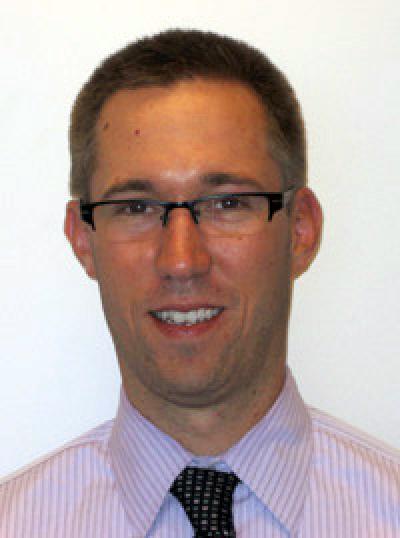
As moms have always known, a good night's sleep is crucial to good health -- and now a new study led by a UCSF researcher shows that poor sleep can reduce the effectiveness of vaccines. The study is the first performed outside a sleep laboratory to show that sleep duration is directly tied to vaccine immune response, the authors said.
The study, conducted while the UCSF researcher was a doctoral student at the University of Pittsburgh, will appear in the August issue of the journal SLEEP.
"With the emergence of our 24-hour lifestyle, longer working hours, and the rise in the use of technology, chronic sleep deprivation has become a way of life for many Americans," said lead author Aric Prather, PhD, a clinical health psychologist and Robert Wood Johnson Foundation Health & Society Scholar at UCSF and UC Berkeley.
"These findings should help raise awareness in the public health community about the clear connection between sleep and health," Prather said.
Research has shown that poor sleep can make one susceptible to illnesses such as upper respiratory infections. To explore whether sleep duration, sleep efficiency, and sleep quality -- assessed at home and not in a controlled sleep lab -- would impact immune processes important in the protection against infection, the researchers investigated the antibody response to hepatitis B vaccinations on adults in good health. Antibodies are manufactured by the immune system to identify and neutralize foreign objects such as viruses.
The study involved 125 people (70 women, 55 men) between the ages of 40 and 60. All were nonsmokers in relatively good health, and all lived in Pennsylvania -- the study was conducted at the University of Pittsburgh. Each participant was administered the standard three-dose hepatitis B vaccine; the first and second dose were administered a month apart, followed by a booster dose at six months.
Antibody levels were measured prior to the second and third vaccine injection and six months after the final vaccination to determine whether participants had mounted a "clinically protective response."
All the participants completed sleep diaries detailing their bedtime, wake time and sleep quality, while 88 subjects also wore electronic sleep monitors known as actigraphs.
The researchers found that people who slept fewer than six hours on average per night were far less likely to mount antibody responses to the vaccine and thus were far more likely (11.5 times) to be unprotected by the vaccine than people who slept more than seven hours on average. Sleep quality did not affect response to vaccinations.
Of the 125 participants, 18 did not receive adequate protection from the vaccine. "Sleeping fewer than six hours conferred a significant risk of being unprotected as compared with sleeping more than seven hours per night," the scientists wrote.
The researchers stressed that sleep plays an important role in the regulation of the immune system. A lack of sleep, they said, may have detrimental effects on the immune system that are integral to vaccine response.
The National Sleep Foundation recommends seven to nine hours sleep a night. (For tips on a better night's sleep, see: http://www.ucsfhealth.org/education/tips_for_a_better_nights_sleep/index.html)
"Based on our findings and existing laboratory evidence, sleep may belong on the list of behavioral risk factors that influence vaccination efficacy," said Prather who in September will join the UCSF faculty as an assistant professor in the Department of Psychiatry. "While there is more work to be done in this area, in time physicians and other health care professionals who administer vaccines may want to consider asking their patients about their sleep patterns, since lack of sleep may significantly affect the potency of the vaccination."
The study's co-authors are Martica Hall, PhD, Jacqueline Fury, BS, Diana C. Ross, MSN, RN, Matthew Muldoon, MD, MPH, and Anna Marsland, PhD, of the University of Pittsburgh; and Sheldon Cohen, PhD of Carnegie Mellon University.
Financial support for the study was provided by a grant from the National Institute of Nursing Research (NR008237) and by a National Institute of Health fellowship to Prather.
Source: University of California, San Francisco (UCSF)
Other sources
- Sleep affects potency of vaccinesfrom Science DailyWed, 1 Aug 2012, 17:03:47 UTC
- FEATURE: Explainer: childhood sleep disordersfrom Science AlertWed, 1 Aug 2012, 15:50:19 UTC
- Lack of Sleep May Make Vaccines Less Effectivefrom Live ScienceWed, 1 Aug 2012, 15:30:52 UTC