


Homicide, suicide outpace traditional causes of death in pregnant, postpartum women
Related images
(click to enlarge)
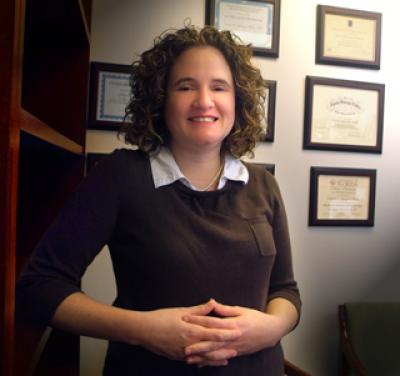
Violent deaths are outpacing traditional causes of maternal mortality, such as hemorrhage and preeclampsia, and conflicts with intimate partner are often a factor, researchers report. "We found that the mortality rate from homicide and suicide were more common than what we think of as traditional causes of maternal mortality," said Dr. Christie L. Palladino, an obstetrician-gynecologist and educational researcher at Georgia Health Sciences University. "It's not what you want to read, but it's the reality."
The analysis of the Centers for Disease Control and Prevention's National Violent Death Reporting System, a surveillance system from 17 states, found 94 pregnancy-associated suicides and 139 homicides from 2003-07. Overall, 64.4 percent of pregnancy-associated violent deaths -- classified by the CDC as death during pregnancy and the following year -- occurred during pregnancy. The mortality rate was 4.9 per 100,000 live births.
The findings, published in the journal Obstetrics & Gynecology, are a wakeup call for health care providers and families alike about the need for mental health awareness and treatment at a time typically associated with great joy, said Palladino who is working to enhance training of obstetrician-gynecologists in depression diagnosis and treatment.
"We have a lot of studies looking at the effects of pregnancy on the baby but often we don't focus so much on outcomes for moms, and the most disastrous of those for both mom and baby would be suicide," Palladino said. She noted that homicide and suicide are both potentially preventable. "The more we look into ways to prevent suicide, ways to effectively manage women with mental health diagnoses during pregnancy and postpartum, the more we can take steps to prevent these deaths," she said.
Among the suicides, 45.7 percent occurred during pregnancy and problems with current or former partners appeared to contribute to more than half. Older, Caucasian women were at greatest risk. Among homicides, 77.7 percent occurred during pregnancy and more than half the women were age 24 or younger and unmarried. Nearly half were black, even though black women accounted for less than 20 percent of the live births, and 45 percent were associated with violence from a current or former partner.
In follow-up, Palladino is surveying practicing physicians about their practice patterns in treating depression during pregnancy. She and her colleagues also want to learn more about precipitating circumstances such as substance abuse, stress and mental illness and treatment. Studies already indicate that intervention lowers the recurrence risk of intimate partner violence in pregnancy and postpartum.
It was her early experience as an obstetrician-gynecologist who felt ill-prepared to treat depression in pregnant women that got her interested in the topic. A 2003 report in The British Journal of Psychiatry identifying suicide as the leading cause of maternal death in Great Britain sealed the deal. "Unfortunately what we found paralleled the Great Britain findings," Palladino said.
The good news is that evidence-based guidelines for depression treatment during pregnancy or postpartum have been developed by The American College of Obstetricians and Gynecologists and The American Psychiatric Association, she said. The bad news is that women and their providers might be hesitant to seek or provide care because mental illness and pregnancy seem counterintuitive.
Collateral materials such as police, coroner and medical examiner reports also were examined as part of the CDC database to provide greater context for the cause of death. While the overall pregnancy-associated violent death rate was stable over the four-year study period, those numbers could be underreported because the pregnancy or postpartum status was marked "unknown" in the majority of female deaths in the CDC database, the researchers noted. Pregnancy or postpartum status also could be missed because autopsies might not include a pregnancy exam, might miss postpartum signs or might fail to report pregnancy status on death certificates.
States participating in the CDC violent death database include South Carolina, Georgia, North Carolina, Virginia, New Jersey, Maryland, Alaska, Massachusetts, Oregon, Colorado, Oklahoma, Rhode Island, Wisconsin, California, Kentucky, New Mexico and Utah.
Researchers at the University of Michigan and Johns Hopkins University co-authored the study.
Source: Georgia Health Sciences University
Other sources
- Homicide, suicide outpace traditional causes of death in pregnant, postpartum womenfrom PhysorgFri, 21 Oct 2011, 7:30:46 UTC
- Homicide, suicide outpace traditional causes of death in pregnant, postpartum womenfrom Science DailyFri, 21 Oct 2011, 0:30:45 UTC