


New research helps clinicians predict treatment outcomes for children with OCD
Related images
(click to enlarge)
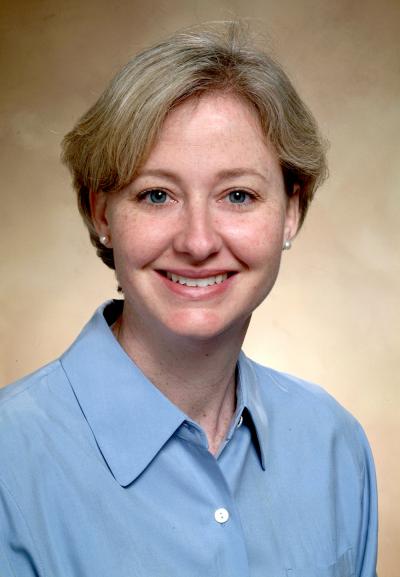
New research from the Bradley Hasbro Children's Research Center may help clinicians better predict how a child with obsessive compulsive disorder (OCD) will respond to some of the most commonly used treatment approaches. The findings, published in the October issue of the Journal of the American Academy of Child and Adolescent Psychiatry, could help guide important clinical decisions about the best intervention for children with this often debilitating anxiety disorder. "Until now, there has been little information about which OCD treatment to recommend to particular pediatric patients," said lead author Abbe Garcia, PhD, director of the Bradley Hasbro Children's Research Center (BHCRC) Pediatric Anxiety Research Clinic. "Our study identified some characteristics of children with OCD that could help us predict which patients are most likely to benefit from particular treatments, similar to a personalized medicine approach."
OCD is an anxiety disorder characterized by recurrent, unwanted thoughts (obsessions) and/or repetitive behaviors (compulsions). The symptoms reported by children are similar to those seen among adults with OCD. According to the American Academy of Child and Adolescent Psychiatry, as many as 1 in 200 children and adolescents struggle with OCD.
Researchers focused on outcomes of the three most commonly used treatment approaches for pediatric OCD: a form of psychotherapy known as cognitive behavioral therapy (CBT) that teaches children to face their fears; sertraline, a selective serotonin reuptake inhibitor (SSRI); and a combination of the two.
They found that children with less severe OCD symptoms, fewer co-existing behavior problems and children whose symptoms cause less impairment in their everyday lives showed greater improvement across all of the treatments. Also, children who were better able to recognize their symptoms as irrational fared better, regardless of the treatment course. In addition, patients from families that were less accommodating of the child's OCD symptoms were also more successful in all treatments.
The study also revealed an intriguing connection between OCD treatment outcome and family history: patients with a parent and/or sibling with OCD did six times worse in CBT than their peers without a family history of OCD. Garcia says this could be due to the nature of CBT, which requires more family support and at-home involvement than medication compliance, something that could be more difficult when a parent or other sibling is also dealing with OCD.
"Based on our findings, cognitive behavioral therapy with or without a concomitant medication is the treatment of choice for children and teens with OCD who do not have a parent or sibling who is also affected," said Garcia. "For those children with a family history, cognitive behavioral therapy in combination with a medication is probably the most effective treatment approach."
The study included 112 children between the ages of 7 and 17 with a primary diagnosis of OCD but who were not currently being treated. The group included roughly even amounts of males and females as well as younger and older children. All participants were randomly assigned to one of four treatment approaches: CBT and setraline; setraline; CBT only; and a placebo. Researchers analyzed how children responded after 12 weeks of treatment using the Children's Yale-Brown Obsessive Compulsive Scale, a clinical tool used to measure a patient's level of impairment and distress.
Source: Lifespan
Other sources
- New research helps clinicians predict treatment outcomes for children with obsessive compulsive disorderfrom Science DailyFri, 15 Oct 2010, 3:40:23 UTC
- New research helps clinicians predict treatment outcomes for children with OCDfrom PhysorgThu, 14 Oct 2010, 15:31:16 UTC