


Bone from blood: Circulating cells form bone outside the normal skeleton, Penn study finds
Related images
(click to enlarge)
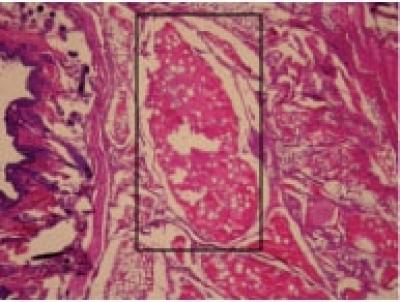
The accepted dogma has been that bone-forming cells, derived from the body's connective tissue, are the only cells able to form the skeleton. However, new research shows that specialized cells in the blood share a common origin with white blood cells derived from the bone marrow and that these bloodstream cells are capable of forming bone at sites distant from the original skeleton. This work, published online this month in the journal Stem Cells, represents the first example of how circulating cells may contribute to abnormal bone formation. The discovery that circulating blood cells can form bone outside the normal skeleton was made while studying a rare genetic disease of misplaced bone growth, fibrodysplasia ossificans progressiva, or FOP.
"Identifying circulating cells with bone-forming potential in humans has important implications for FOP, as well as more common disorders where bone is formed outside the skeleton, such as in end-stage aortic valve disease, following head and spinal cord injury, and after hip and knee replacements," says senior author Robert J. Pignolo, MD, PhD, Assistant Professor of Medicine at the University of Pennsylvania School of Medicine. "This type of aberrant bone growth also occurs after severe trauma, such as blast injuries suffered by Iraqi war veterans, and its study may help us understand how bone forms after the development of the skeleton has ceased, with possible applications in bone diseases where only scarce or poor quality bone forms." Pignolo is also the Director of the Ralston-Penn Clinic for Osteoporosis & Related Bone Disorders
The researchers analyzed blood samples from patients with FOP and unaffected individuals, isolating cells that could form bone when transplanted subcutaneously into animals. The isolated cells were characterized using surface and other markers, which identified them as being derived from bone marrow. The researchers also examined tissue from FOP patients that had formed new bone, and found that these cells had migrated into the early sites of the lesion.
"This study provides an explanation for how bone-forming cells could seed sites of injury and inflammation that subsequently develop ossifications outside the skeleton," says Frederick S. Kaplan, MD, Isaac & Rose Nassau Professor of Orthopedic Molecular Medicine and Director of the Center for FOP & Related Disorders at Penn. "Dr. Pignolo and researchers in his lab demonstrated that these circulating cells are able to home to damaged tissue."

