


11,000 alien species invade Europe
Related images
(click to enlarge)
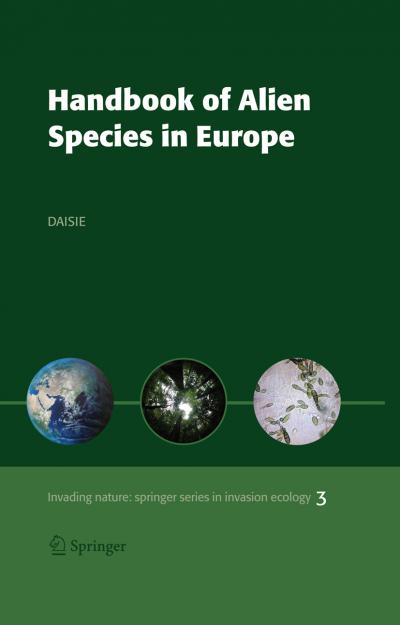
Halle/Saale. For the first time it is now possible to get a comprehensive overview of which alien species are present in Europe, their impacts and consequences for the environment and society. More than 11,000 alien species have been documented by DAISIE (Delivering Alien Invasive Species Inventory for Europe), a unique three year research project with more than 100 European scientists, funded by the European Union that provides new knowledge on biological invasions in Europe. Biological invasions by alien species often result in a significant loss in the economic value, biological diversity and function of invaded ecosystems. Harmful visitors
The majority of these 11,000 alien species are however, not harmful. About 15 percent of these alien species cause economic damages and 15 percent cause harm to biological diversity, that is the environment, habitats and native plants, animals and micro-organisms, according to findings in the newly released and freely accessible web portal at http://www.europe-aliens.org and the DAISIE "Handbook of alien species in Europe" that is launched this week.
Knowledge enables action
Previous to the publication of the results of the DAISIE project, the number and impacts of harmful alien species (also called invasive alien species) in Europe has been underestimated, especially for species that do not damage agriculture, forestry or human health. The lack of knowledge has contributed to inaction in many European countries which is becoming increasingly disastrous for Europe's biodiversity, health and economy.
Why do we need the information?
Alien species may have a profound impact on the environment and society as they can act as vectors for new diseases, alter ecosystem processes, change biodiversity, disrupt cultural landscapes, reduce the value of land and water for human activities and cause other socio-economic consequences. Alien species are plants, animals and micro-organisms that have been moved by humans to new environments outside of the range they occupy naturally.
Supporting qualified decisions
Information in this week published DAISIE "Handbook of alien species in Europe" and the internet accessible knowledge base provides an important tool for managing the threat of biological invasion in Europe. Information in DAISIE can be used for documenting current invasions, predicting new invasions and preventing future invasions. Crucial information for planning measures for early detection, eradication and control methods is also provided to decision-makers, environmental planners, students and all concerned.
Source: Helmholtz Association of German Research Centres
Other sources
- 11,000 alien species invade Europefrom Biology News NetSat, 22 Nov 2008, 18:49:48 UTC
- 11,000 alien species invade Europefrom Biology News NetFri, 21 Nov 2008, 4:23:47 UTC
- 11,000 alien species invade Europefrom PhysorgThu, 20 Nov 2008, 19:56:11 UTC