


Depressed adolescents not harmed by being part of placebo group in clinical trial, researchers find
Related images
(click to enlarge)
In a national clinical trial, adolescents with moderate to severe depression first given a placebo treatment and then an antidepressant medication alone or in combination with therapy responded just as well over the long term as participants who received active treatment throughout the study, UT Southwestern Medical Center researchers report. Researchers found that at the end of nine months, children and teenagers first given placebo treatment for 12 weeks and then given active treatment had a response rate of 82 percent, compared to an 83 percent response rate for participants who received active treatment for the entire period.
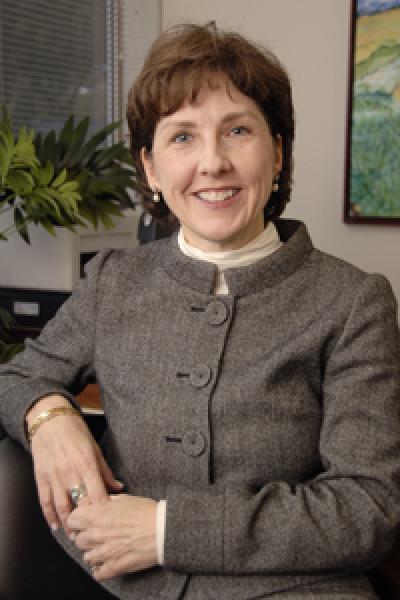
The study, available Jan. 15 in the online advance edition of The American Journal of Psychiatry, is the first to address whether delaying effective treatment for adolescents assigned to initial treatment with a placebo group is ethical in research, said Dr. Betsy Kennard, associate professor of psychiatry at UT Southwestern and lead author of the study.
"We don't want to put children and teenagers in any treatment that's harmful, and this shows that these adolescents were well cared for and went on to do just as well as the teens who initially received active treatments," Dr. Kennard said. "Without placebo groups, it's difficult to determine the efficacy of a treatment. Now we've shown scientifically that these trials are safe and effective. We do well by these kids."
Dr. Kennard did the research as a secondary analysis in the Treatment for Adolescents with Depression Study (TADS). TADS, led by Dr. John March of Duke University Medical Center, treated 439 adolescents ages 12 to 17 from 13 sites across the country with moderate to severe major depressive disorder. About 50 patients were treated at UT Southwestern.
The main study found that 12 weeks of treatment with a combination of antidepressant medication and cognitive behavioral therapy (a talking therapy that addresses thinking and behavior patterns to modify depressed mood) was better than cognitive behavioral therapy alone or placebo treatment.
Dr. Kennard then analyzed what happened to those children in the placebo group. For 12 weeks, placebo participants received education, 30 to 45 minutes with a psychiatrist, supportive care and clinical management, just like those in the active treatment groups. They also received a pill placebo. About 35 percent of the participants got better from this approach alone.
"Placebo can be misconstrued as if it's a bad thing," Dr. Kennard said. "These adolescents received quite a bit of clinical care, and for some of them, that was enough to help them get well. If at any time a child started to do worse, we would change their treatment no matter what group they were in."
After 12 weeks, most of the 65 percent of the children who did not initially respond to the placebo chose to then receive medication alone or medication combined with cognitive behavioral therapy.
Researchers evaluated related effects such as risk of harm, suicidal events, uses of outside treatment and drop-out rates to see if the placebo group patients fared worse.
"In terms of every possible way that we could look at the patients, adolescents first given placebo treatment performed as well or had as positive a response as those given other treatment for the entire 36 weeks," Dr. Kennard said. "So it's OK to consider participating in research, even in a controlled study, because in a well-conducted trial, you receive a considerable amount of clinical care, and there is quite a bit of oversight."
Dr. Kennard, with Dr. Graham Emslie, professor of psychiatry and pediatrics at UT Southwestern, is currently doing research that employs a cognitive behavioral therapy developed at UT Southwestern that was shown in a pilot study to reduce significantly depression relapse rates in adolescents.
Source: UT Southwestern Medical Center
Other sources
- Depressed adolescents not harmed by being part of placebo group in clinical trial, researchers findfrom PhysorgThu, 15 Jan 2009, 12:35:22 UTC