


Battling diabetes with beta cells
Related images
(click to enlarge)
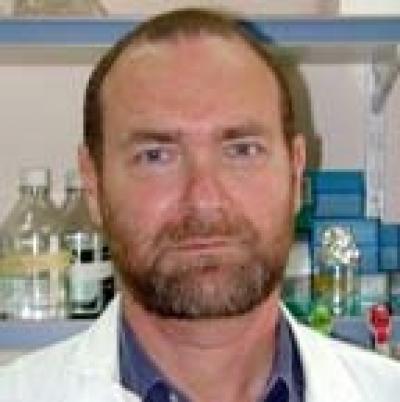
Affecting eight percent of America's population, diabetes can lead to blindness, kidney failure, strokes and heart disease. Thanks to Tel Aviv University researchers, a new cure –– based on advances in cell therapy –– may be within reach. Prof. Shimon Efrat from TAU's Sackler Faculty of Medicine, whose research group is among world leaders in beta cell expansion, has developed a way to cultivate cells derived from insulin-producing beta cells from human tissue in the laboratory. It may be possible to implant these new healthy cells into patients with type 1 diabetes.
If successful, this method, which artificially replicates the insulin cells people need, could ensure that fewer people will die while waiting for a life-saving pancreas and kidney. Prof. Efrat's research paves the way for new and alternative forms of treatment in cases in which organ transplantation is not an option. And one day, the procedure may be as simple as a blood transfusion.
The Multiplication Effect
Type 1 diabetes, the most severe form of the condition, emerges as a chronic condition in childhood or early adulthood, when the body's immune system stops working properly and destroys the beta cells in the pancreas. Beta cells are needed to produce insulin, and a shortage of insulin inhibits the breakdown of food into energy. By the time a diagnosis is made, most beta cells are destroyed beyond repair. Injections of insulin can ease the symptoms, but some sufferers from the disease eventually require extreme measures, such as organ transplants, to stay alive.
"The shortage of organ donors makes the development of new cell sources for cell therapy critical," says Prof. Efrat. "Using beta cell expansion, we are able to grow a massive reserve of healthy cells that may be made to produce enough insulin to restore the function of the destroyed cells."
In contrast to previous research, which failed to multiply mouse beta cells in culture, Prof. Efrat's work has increased the number of human beta cells successfully. "In theory, cells from one donor can be multiplied thousands of times," says Prof. Efrat, explaining that the next hurdle will be to "convince" these beta cells to produce insulin in the human body. Another major hurdle he faces is to get a body's immune system to accept these new cells when transplanted. Human clinical trials, Prof. Efrat cautions, may not begin for another five years or more.
Source: American Friends of Tel Aviv University
Other sources
- Battling Diabetes With Beta Cellsfrom Science DailyWed, 3 Sep 2008, 18:07:11 UTC
- New diabetes cell therapy is suggestedfrom UPIWed, 3 Sep 2008, 16:14:06 UTC
- Battling diabetes with beta cellsfrom PhysorgTue, 2 Sep 2008, 17:56:23 UTC
- Battling Diabetes With Beta Cellsfrom Science DailyTue, 2 Sep 2008, 16:14:21 UTC